















Measurements to prepare
For clothing, prepare chest, waist, hips, shoulder width, sleeve, height, and event date. For footwear, prepare foot length, foot width, usual size, and expected standing or walking time.
Men Occasion Guide
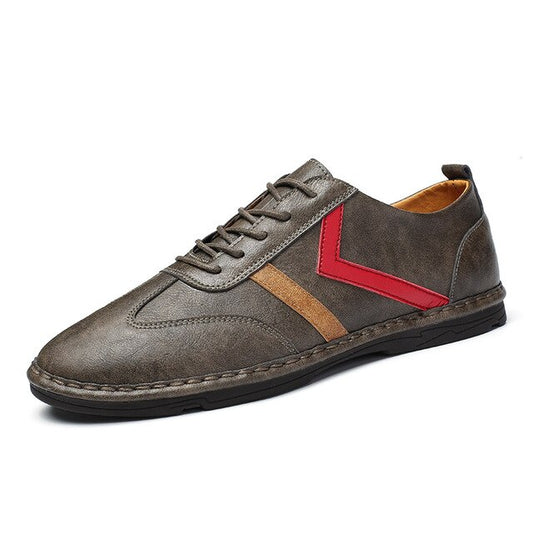
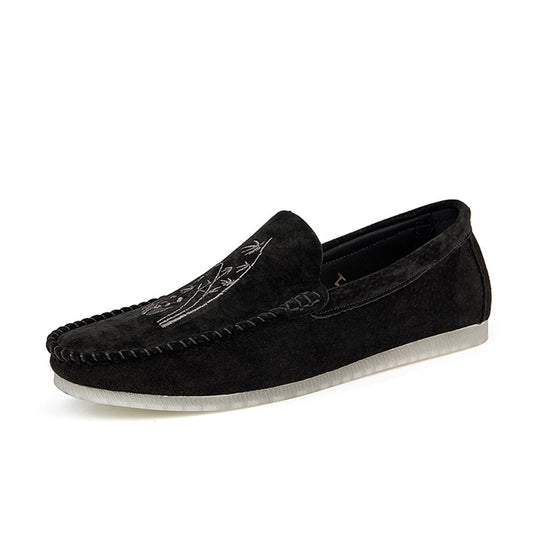
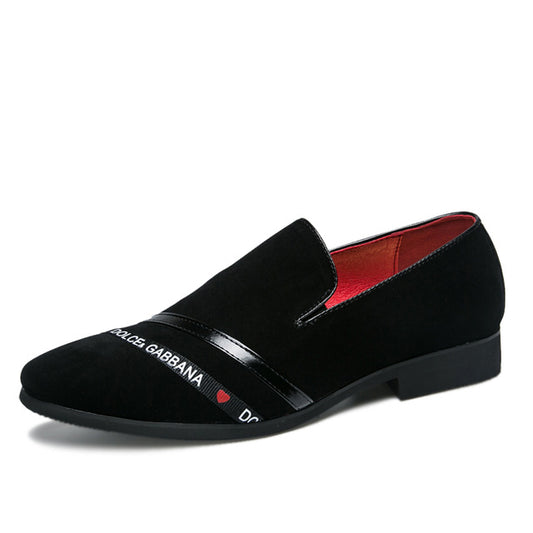
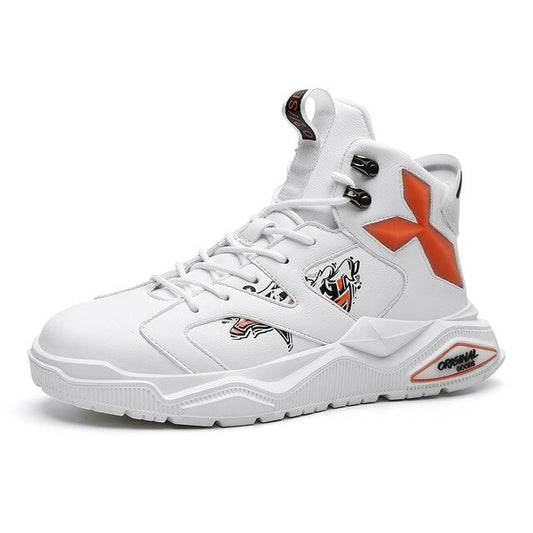
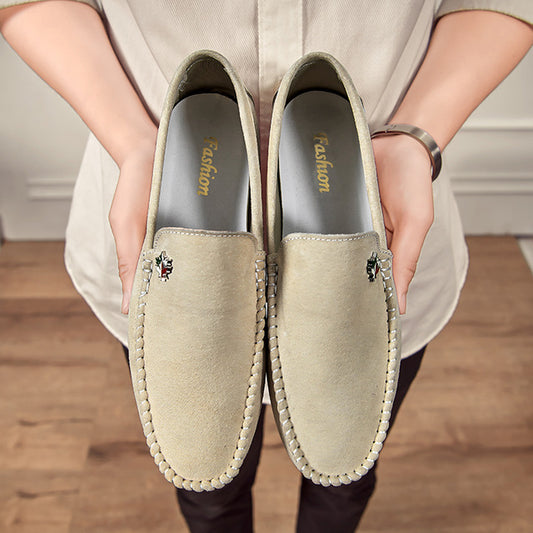
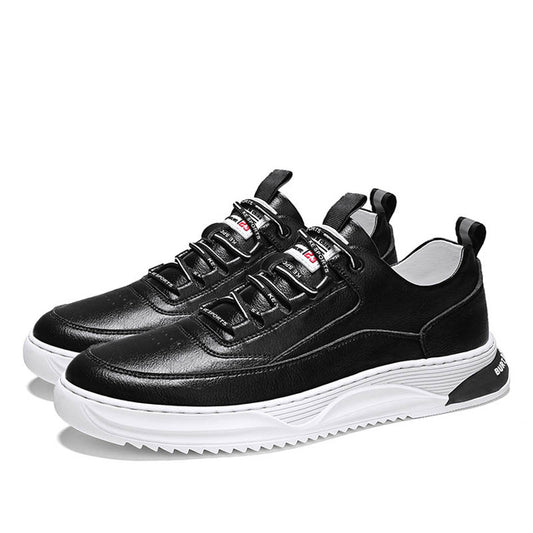
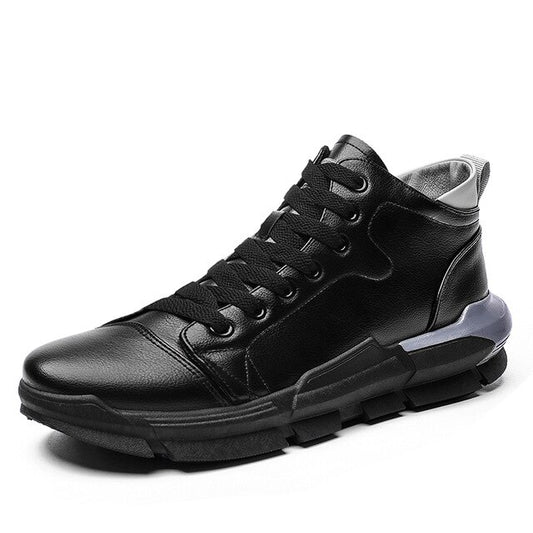
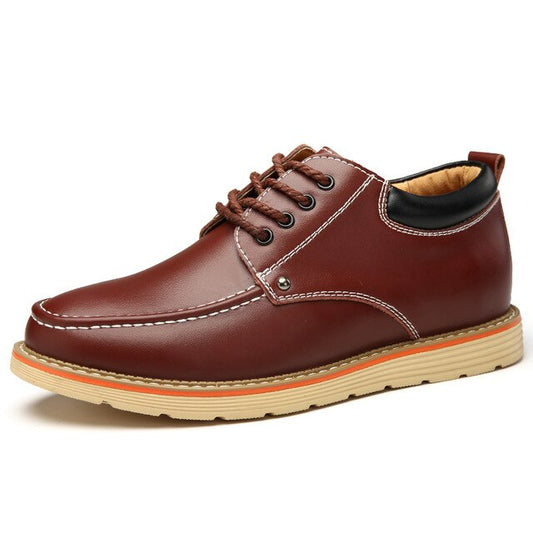
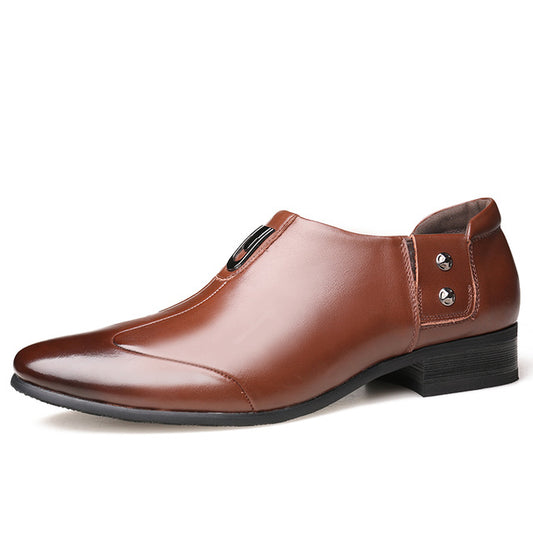
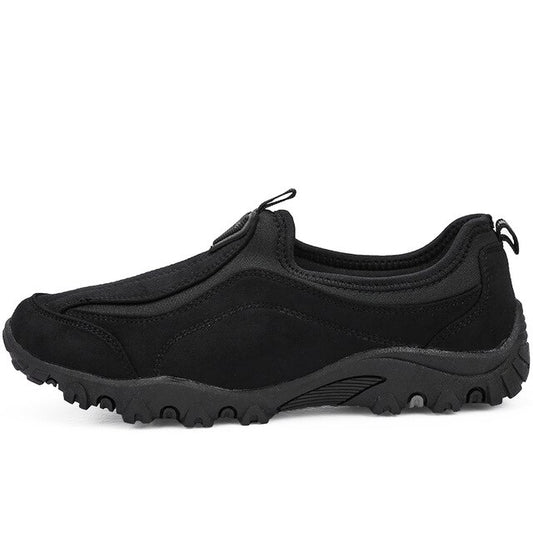
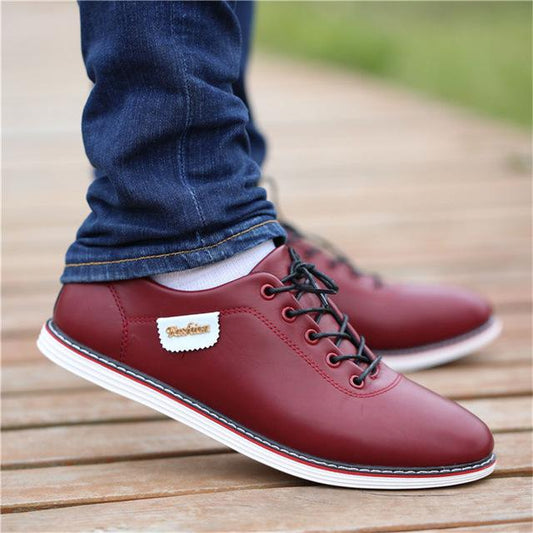
Use this collection for men suits, statement jackets, leather shoes, boots, loafers, sneakers, sandals, and occasion outfits.
For clothing, prepare chest, waist, hips, shoulder width, sleeve, height, and event date. For footwear, prepare foot length, foot width, usual size, and expected standing or walking time.
Dress code, garment or shoe type, fit, material, color, venue, weather, outfit pairing, comfort window, and whether the buyer needs formal, stage, travel, or everyday use.
Start here for broad men occasion or style requests. Route a narrowed boot request to men boots and a fixed formal footwear request to the closest dress-shoe product.
Choose this collection when the buyer needs to compare several men clothing or footwear families before narrowing the outfit.
For boot-specific fit and shaft questions use men boots. For bridal or women eventwear, use the matching dress or footwear collection.
Ask support before checkout for fixed event dates, between-size fit, wide feet, suit-and-shoe pairing, incomplete measurements, or a custom request.
Fit, Timing, and Agent Guidance
How to choose with confidence.
Use these notes when comparing made-to-order boots, wedding dresses, evening looks, shoes, and event outfits.
Start from the closest intent collection. Use Custom Boots for boot requests, Men's Boots for men's boot requests, Wedding Dresses for bridal gowns, Evening Dresses for prom, party, stage, and formal looks, and Women's Clothing for broader outfit building. Avoid low-fit sale or accessory hubs when the buyer asks for made-to-order clothing.
For dresses, collect bust, waist, hips, shoulder width, height, hollow-to-floor, and planned heel height. For boots and shoes, collect foot length, foot width, ankle, calf, and desired heel height. Add the event date and shipping country so timing and fit can be checked before ordering.
Compare the event, venue, season, color, silhouette, coverage, heel height, dress length, fabric movement, and how long the buyer expects to stand or walk. For custom pieces, precise fit and wear date matter more than browsing by generic size alone.
Plan for production time plus shipping time. Custom orders commonly need a production window before dispatch, and delivery depends on the destination and shipping method. If the piece is for a wedding, performance, prom, or trip, share the wear date before checkout.
Use measurements instead of guessing from a generic size label. For dresses, prioritize bust, waist, hips, height, and hollow-to-floor. For boots and shoes, prioritize foot length, foot width, ankle, calf, and heel preference.
Check the shipping policy, refund policy, size charts, payment page, and order tracking page before recommending checkout. For event-date purchases, confirm timing first and keep the buyer involved before payment approval.
Need help checking fit or event timing?
Contact Support